

Welcome to the Foundation of your crypto journey
In this module, you’ll learn the essential concepts every crypto investor, trader, or enthusiast must understand before diving deeper into blockchain, DeFi, or trading

Table of Contents
Lesson 1: What Is Cryptocurrency?
- Key Idea: Crypto = Code + Community + Cryptography
- Example: Bitcoin (BTC) was the first cryptocurrency, launched in 2009 by Satoshi Nakamoto.
- Why It Matters: It introduced a new financial system—open, global, and peer-to-peer.

🔗 Lesson 2: How Blockchain Technology Works
Lesson 3: Key Crypto Terms Explained
| Term | Meaning |
|---|---|
| Wallet | A digital tool to store your crypto (software or hardware). |
| Private Key | Your secret access code—never share it. |
| Exchange | Platform to buy/sell crypto (like Binance or Coinbase). |
| Altcoin | Any coin that isn’t Bitcoin. |
| Token | A digital asset built on another blockchain. |
Lesson 4: The Difference Between Coins and Tokens
Coins have their own blockchain, such as Bitcoin and Ethereum.
Tokens rely on another blockchain: for instance, USDT runs on Ethereum.
Think of coins as native money and tokens as digital assets built on top of a system
Lesson 5: How Crypto Transactions Work
Every crypto transaction includes:
Sender’s wallet address
Receiver’s wallet address
Amount to send
Digital signature via private key
The network verifies this and records it on the blockchain within seconds or minutes
Lesson 6: Why Crypto Matters Cryptocurrency
Facilitates:
Financial freedom
No middlemen Global access
Anyone with internet can join Transparency
Every transaction is verifiable. Innovation – powering DeFi, NFTs, and Web3
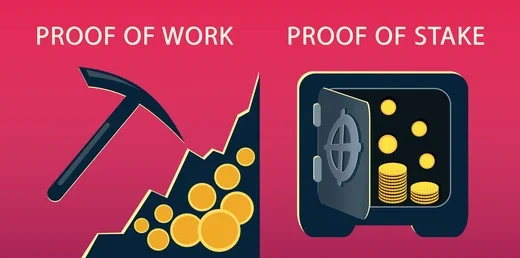
Cryptocurrency is digital money based on blockchain technology. It lets people send, receive, and store value securely without needing banks or governments. It operates on code, cryptography, and a decentralized network of users, which makes it borderless and transparent. The idea started in 2009 when Satoshi Nakamoto introduced Bitcoin, the first cryptocurrency. This innovation changed how we perceive money and ownership. Instead of depending on centralized financial systems managed by authorities, Bitcoin created a peer-to-peer network where users could transfer value directly to each other. This led to the emergence of thousands of cryptocurrencies, forming a global digital economy worth trillions. Blockchain technology underpins every cryptocurrency. A blockchain is a digital ledger that records transactions across many computers, or nodes, rather than being stored in one place. Each time someone sends or receives crypto, the transaction is gathered into a “block.” Participants in the network verify this block and link it to the previous one, forming a chain. This setup makes data unchangeable, which means no one can modify or erase past transactions, ensuring trust without needing middlemen. Consensus mechanisms like Proof of Work (PoW) and Proof of Stake (PoS) keep this system honest. PoW, used by Bitcoin, relies on miners who solve complex puzzles to validate transactions, while PoS, used by Ethereum and others, depends on validators who stake their coins to confirm blocks. Both approaches aim to ensure consensus on the state of the blockchain and to prevent double-spending or manipulation.
To navigate the crypto world, you need to understand some key terms. A wallet is your digital storage for cryptocurrency. It can be a software wallet on your phone or a hardware wallet kept offline for extra security. Your private key is the secret code that proves your ownership of your crypto; if you lose it, your funds are lost forever. A crypto exchange is a marketplace where people buy, sell, and trade cryptocurrencies. Popular examples include Binance, Coinbase, and Kraken. Altcoins refer to all cryptocurrencies other than Bitcoin, such as Ethereum, Solana, or Ripple. A token is a type of digital asset built on another blockchain. For example, Tether (USDT) and Chainlink (LINK) are tokens that operate on Ethereum’s blockchain. The main distinction between coins and tokens is that coins have their own blockchain, while tokens rely on an existing one. Think of coins as the native currency of a blockchain ecosystem and tokens as extra assets or utilities built on top of it.
When you send cryptocurrency, the process involves a few straightforward steps. You enter the recipient’s wallet address, the amount you want to send, and digitally sign the transaction with your private key. This transaction is then shared with the blockchain network, where nodes verify it, check your balance, and add it to a new block. Once the block is confirmed and added to the chain, the transaction becomes permanent. It is transparent, traceable, and irreversible. Depending on the blockchain, confirmation times can range from a few seconds to several minutes, but the process is much faster and cheaper than traditional bank transfers or remittance services.
What makes cryptocurrency truly revolutionary is how it empowers individuals. It gives people financial freedom, allowing them to control their assets without banks freezing accounts or charging high fees. It also provides global access; anyone with an internet connection can create a wallet, receive payments, or invest in projects. In developing countries or places where banking systems are unreliable, crypto offers a real solution for securely storing and sending money. Moreover, transparency is built into the system since every transaction is publicly verifiable on the blockchain. This helps make corruption, fraud, and manipulation harder to hide.
The crypto revolution has also sparked significant innovation. Entire industries have emerged, like DeFi (Decentralized Finance), which recreates traditional financial services, such as loans, savings, and trading, without intermediaries. Users can lend crypto and earn interest, trade assets instantly, or join liquidity pools, all powered by smart contracts that execute transactions automatically. Another area is NFTs (Non-Fungible Tokens), which use blockchain to confirm ownership of digital art, music, collectibles, and virtual assets. Then there’s Web3, the next evolution of the internet, where users, not corporations, own their data, digital identities, and online assets. All this is possible because blockchain offers a secure and verifiable foundation for building decentralized applications.
However, cryptocurrency isn’t without its flaws. Price volatility, scams, regulatory uncertainty, and hacking threats are real issues. That’s why education and security are crucial. Always double-check wallet addresses, use strong passwords, enable two-factor authentication, and store your private keys offline if possible. Understanding blockchain fundamentals can help protect you from risks and make you a smarter investor or user. It’s also smart to do your research before investing—consider a project’s team, purpose, community, and technology instead of chasing quick profits.
In the bigger picture, cryptocurrency means more than just digital money. It’s a movement toward a decentralized financial future—a world where value flows freely, users control their assets, and innovation thrives without permission from centralized authorities. As governments look into digital currencies (CBDCs) and major companies adopt blockchain solutions, it’s clear that crypto is here to stay. Instead, it’s influencing how the next generation will engage with money, data, and technology. Whether you’re interested in trading, investing, or just want to grasp the shift toward a digital economy, understanding cryptocurrency has become vital.
In summary, cryptocurrency combines code, community, and cryptography to create a borderless form of digital currency that is transparent, secure, and groundbreaking. Blockchain technology guarantees that every transaction is verified, unchangeable, and decentralized. From wallets and private keys to tokens, exchanges, and blockchain consensus, each part works together to build a trustworthy ecosystem. Crypto transactions occur within seconds, granting people financial independence, global access, and transparency that surpasses any traditional financial system. More importantly, crypto’s potential goes well beyond trading; it drives innovations like DeFi, NFTs, and Web3 that are transforming industries worldwide. Whether you see it as an investment, a technology, or a social movement, cryptocurrency is reshaping what money means in the digital age—a mix of technology and trust that empowers individuals everywhere to participate in the global financial future.
BitxEdge