

Module 4: Crypto Exchanges Explained — How to Trade Safely and Smartly
Welcome to Module 4 of the BitxEdge Learn Crypto Basics Series!
Centralized Exchanges (CEXs)
Decentralized Exchanges (DEXs)
Table of Contents
1. What is a crypto exchange?
A crypto exchange is basically an online platform where users can buy, sell, trade, or convert cryptocurrencies.
That’s like a stock exchange, but instead of company shares, you trade in digital currencies and tokens.
Exchanges are intermediaries that match buyers and sellers, and they provide:
Real-time market data
Secure trading interfaces
Custody of funds (for custodial exchanges)
Additional tools such as charts, margin trading, or staking
Some exchanges are centralized and easy to use, while others are decentralized, giving you full control over your funds
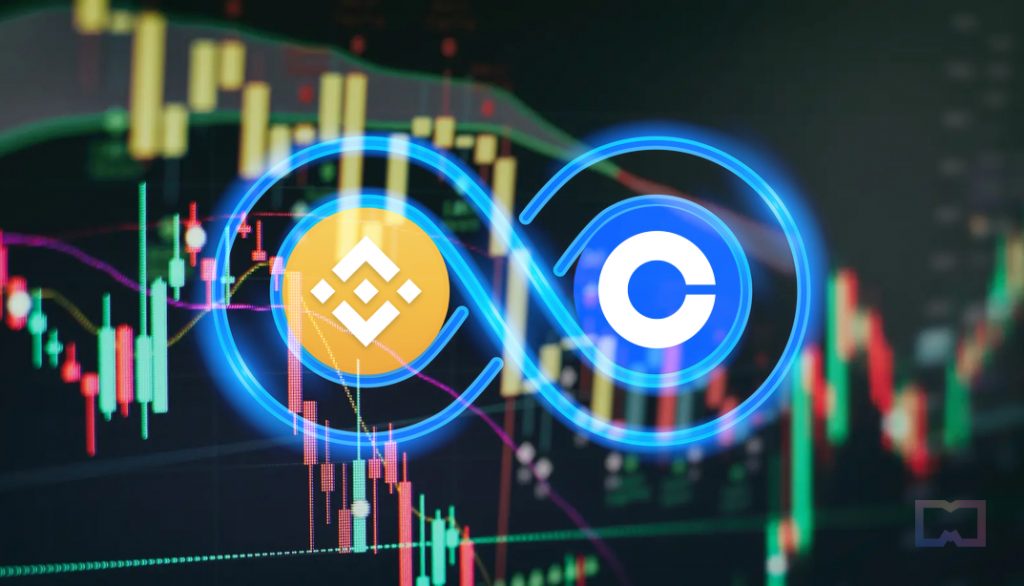
2. Centralized versus Decentralized Exchanges
There are two main types of crypto exchanges — knowing the difference is fundamental.
CEXs
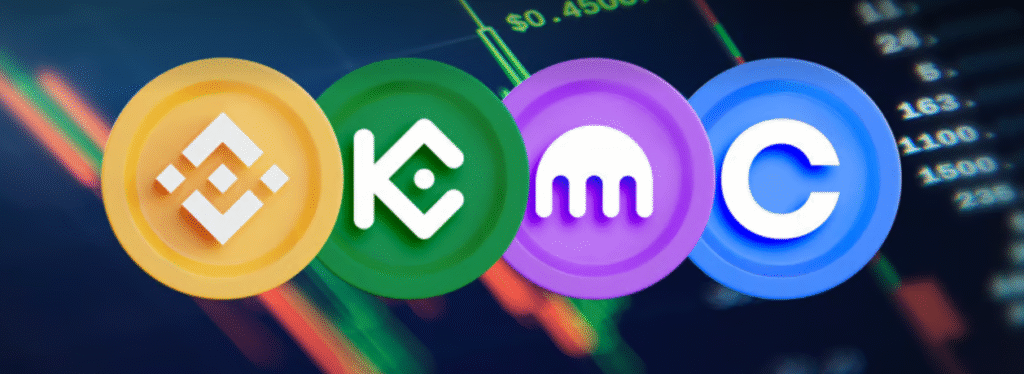
Centralized exchanges are those operated by private companies and oversee the web platform, users of their service, and the order-matching process.
Examples include Binance, Coinbase, OKX, Kraken.
How They Work:
You deposit funds into your exchange account.
The platform holds your crypto (custodial).
You trade using their interface.
Pros:
✅ Ease of use
High liquidity and swift trading
Customer support and fiat gateways: USD, PKR, EUR, etc.
Disadvantages:
⚠️ You don’t control your private keys
⚠️ Can be hacked or restricted by regulations
Tip: Use reputable, well-regulated exchanges and enable two-factor authentication (2FA).
DEXs – Decentralized Exchanges
Decentralized exchanges do not rely on central authorities.
Trades are executed between users directly on the blockchain through smart contracts.
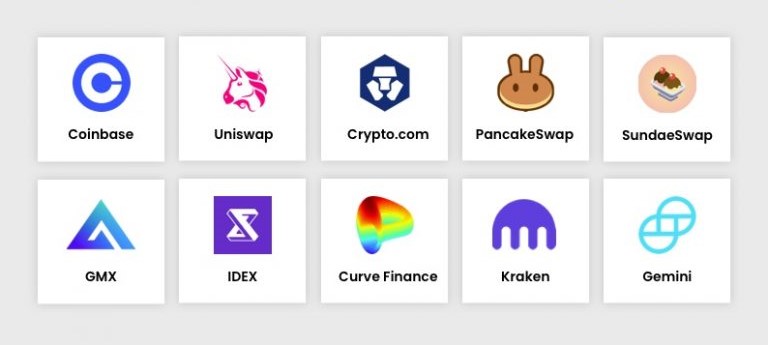
Examples: Uniswap, PancakeSwap, Curve, SushiSwap
How They Work:
You subsequently connect your non-custodial wallet.
Trades occur peer-to-peer through liquidity pools.
You are always in control of your funds.
Pros:
✅ No need to trust a company with your crypto
✅ Greater privacy and transparency
✅ No KYC
Cons:
Warning: Long Chains may be challenging for those who are just learning.
⚠️ Limited fiat options
⚠️ Smart contract risks
Many experienced users keep a hybrid approach: CEXs for fiat on-ramping, DEXs for DeFi trading
Centralized Exchange
Decentralized Exchanges
3. How Crypto Trading Works
Whether one uses a CEX or DEX, trading follows the same logic:
Deposit Funds: Make use of crypto or fiat.
Place an Order — Decide what to buy or sell.
Matchmaking — a platform that matches your order with another trader’s. Execution – The trade is filled. Balances are affected.
Withdraw or Hold – Transfer your cryptocurrency to your wallet, or continue trading. Two main order types dominate the market:
Market Order: An order executed immediately with the best available price.
Limit Order: Executes only when the price reaches your set target.
Advanced traders can also apply stop-loss and take-profit orders to automatically manage their risk
4. Market Pairs and Liquidity
Every trade is made between two assets, also referred to as a trading pair.
Examples:
BTC/USDT
ETH/BTC
SOL/USDC
If an exchange has high liquidity, that means there is a lot of buyers and sellers; trades would execute fast with minimal price slippage.
Low liquidity can lead to higher spreads and unexpected losses, while newer or smaller coins have particularly significant risks.
Always check the 24-hour trading volume before entering a market
5. How Exchanges Make Money
Exchanges generate revenue primarily from:
Trading fees are typically 0.1%–0.2% per trade.
Withdrawal fees
Margin or futures trading fees
Listing fees for new tokens
Earn/staking programs
Some exchanges have VIP tiers: the more you trade or hold their native token — such as Binance’s BNB — the less your fees.
Brainy
6. Comprehension of Exchange Interfaces
| Section | Description |
|---|---|
| Order Book | Live list of buy/sell orders from users |
| Price Chart | Shows historical and live price action |
| Trade History | Record of completed trades |
| Balance Panel | Displays available funds |
| Order Panel | Where you place or cancel orders |
7. Security: Protecting Your Funds
Security is paramount in the use of exchanges.
Follow these best practices in order to keep your assets safe:
Use 2FA (Google Authenticator or Authy)
Enable anti-phishing code (on Binance and OKX)
Withdraw to personal wallets for long-term storage.
Avoid using public Wi-Fi when trading.
Beware of fake apps or phishing sites
Most hacks occur because of human error, not technology, so always double-check URLs and never share login details.
8. KYC and Regulation
Most centralized exchanges require KYC verification to show compliance with international laws.
You will need to provide:
Government-issued ID
Proof of address
Sometimes, a selfie or live verification
While this adds a layer of security with reduced fraud, some users prefer DEXs for privacy and global accessibility.
Regulation keeps evolving, and knowing how it works where you are helps to avoid any legal or tax issues
9. Beyond Spot Trading — Futures, Margin, and Staking
Once you are comfortable with spot trading, exchanges offer advanced options: Margin Trading Use leverage to borrow funds that amplify your trade. 2x–100x ⚠️ High risk — liquidations happen quickly if prices move against you. Trading on futures Trade crypto contracts based on future prices. Common for professionals, yet not recommended for beginners.
Staking and Earn Programs Lock your crypto on an exchange to earn interest. Safer than trading, yet still requires trust in the custody of the platform. Always research, with the understanding that higher rewards usually mean higher risks
10. Choice of Exchange
| Factor | Why It Matters |
|---|---|
| Security | Check reputation, audits, and insurance policies |
| Fees | Lower fees mean more profit over time |
| Liquidity | Ensures smoother trading and fairer prices |
| User Experience | Easy navigation and tools for beginners |
| Regulation | Licensed exchanges offer more protection |
| Customer Support | Reliable help in case of issues |
Consider the following key factors when choosing where to trade:
Factor Why It Matters Security Check reputation, audits, and insurance policies Fees Lower fees translate into more profit over time.
Liquidity ensures smoother trading and fairer prices. User Experience: Easy navigation, tools for beginners.
Regulation Licensed exchanges offer more protection Customer Support: Reliable help in case of issues That means popular global choices include Binance, OKX, Kraken, and Coinbase, while regional platforms serve specific markets.
BitxEdge advises investing small first:
Test the features with limited funds and gradually increase the bets.
Concluding Thoughts Crypto exchanges are a gateway into the digital asset economy. They provide access to thousands of markets, tools, and opportunities but at the same time, they demand caution and responsibility.
Remember: Use CEX for ease and fiat access. Use DEXs for privacy and control. Always opt for security and education over hype. Having a good grasp of the exchanges, now you are set to trade intelligently and not emotionally