Blockchain is a digital record system devised to store transactions in a transparent and secure way. Every transaction is collected into a block, and after being verified, that block gets chained to the one before it, thereby forming a continuous and unbreakable digital chain. Transactions that are recorded on the blockchain become traceable, verifiable, and practically unalterable. Contrary to traditional systems controlled by banks or central authorities, this is decentralized, meaning that no person or organization is in complete control of the network. It is also typical for each participant in the network to have a copy of the whole blockchain, which, in turn, serves to maintain the network transparent, open, and resistant to tampering or hacking. This latter aspect is what has made blockchain technology one of the most secure and reliable digital inventions ever created. It forms the backbone of digital cryptocurrencies like Bitcoin, Ethereum, and many thousands of other assets that are going to reshape global finance.
Understanding blockchain and cryptocurrency is more than keeping up with another technology trend; it’s about understanding a global shift in how value, ownership, and trust are maintained. Given the appropriate knowledge, anyone can go from absolute beginner to one comfortable with navigating the crypto world. Whether your intention is to invest in digital assets, explore decentralized applications, or simply understand how blockchain works, taking a little time to learn the basics gives you a strong foundation from which to make informed decisions in the fast-changing financial world.
Terms such as “what is cryptocurrency,” “crypto for beginners,” “best crypto wallet,” and “how to buy crypto” have been searched by millions of people across the web. Such growing interest in these topics truly manifests that crypto is more than just a buzzword-it is a movement toward financial freedom, transparency, and innovation. There is a growing awareness among people that cryptocurrencies are transforming industries, ways of moving money across borders, and engendering new opportunities for investors, developers, and users alike. Learn the basics now, and you set yourself up to understand this transformation as it happens, rather than playing catch-up later.
Cryptocurrency is in itself a kind of digital money that is secured by cryptography, making it almost impossible to counterfeit or double-spend. Unlike fiat currencies issued by governments, most cryptocurrencies operate on decentralized networks based on blockchain technology. This includes operations in which no transaction requires the intervention of banks or any middleman. Instead, peer-to-peer systems verify and record all transactions. Because of this, users have more control over their funds and are not hampered by banking hours, different exchange rates, or geographic restrictions. Cryptocurrencies can be used for payments, as a store of value, to execute smart contracts, or as investment assets.
The mechanism behind this digital money, the blockchain technology, works by clumping transactions together into digital “blocks.” These blocks are then linked one after the other in one long chain. What makes blockchain special is its decentralized nature. Copies of the same blockchain are stored on computers around the world, called nodes. When a new transaction is added, it is collectively verified by the network, making it practically impossible for anyone to manipulate or change data. The creation of new blocks to add new transactions in different blockchains is carried out by applying different consensus mechanisms. For example, Bitcoin uses Proof of Work, and all miners work together to solve complex puzzles to add new blocks. Ethereum and newer blockchains use Proof of Stake, which is more energy-efficient and requires validators holding tokens to secure the network.
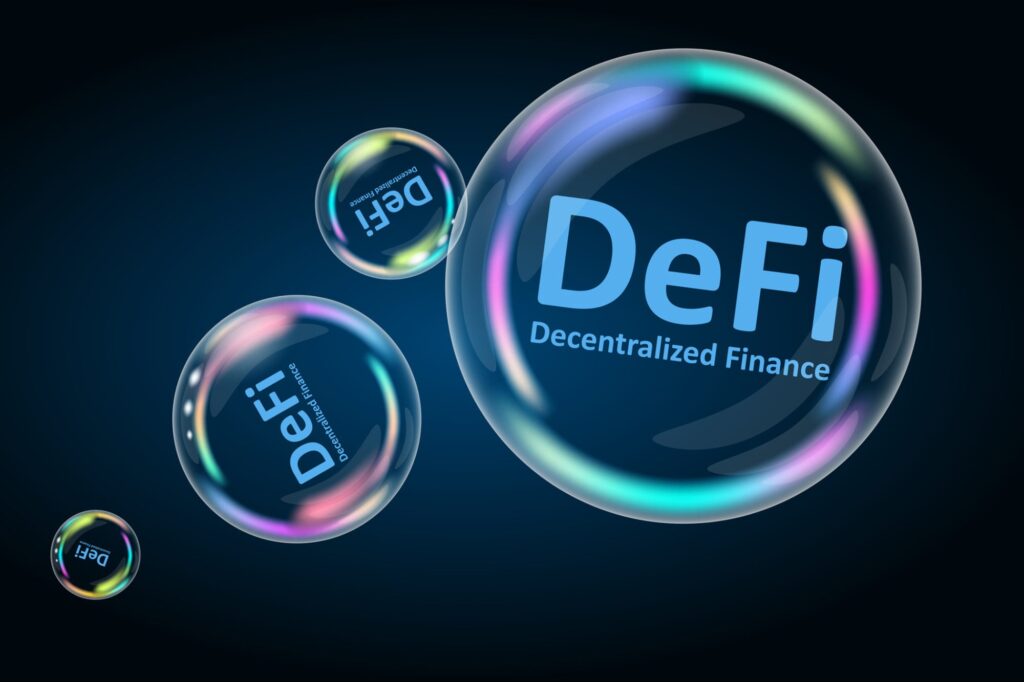
One other big innovation that blockchain has made possible is DeFi, short for Decentralized Finance. DeFi refers to financial systems built on blockchain networks that enable users to lend, borrow, trade, and earn interest with no dependence on traditional banks. It uses smart contracts-small pieces of self-executing code-to automate transactions in a secure and transparent manner. In the world of DeFi, one can participate in decentralized exchanges, trade cryptocurrencies directly between themselves, engage in lending and borrowing protocols, and even earn rewards through staking or yield farming. What is more appealing about DeFi is the transparency it offers, lesser dependence on intermediaries, and a probable reduction in fees from the traditional avenues of finance. It is one of the most talked-about advancements in crypto because it opens the door for anyone anywhere to access financial tools once reserved for institutions.
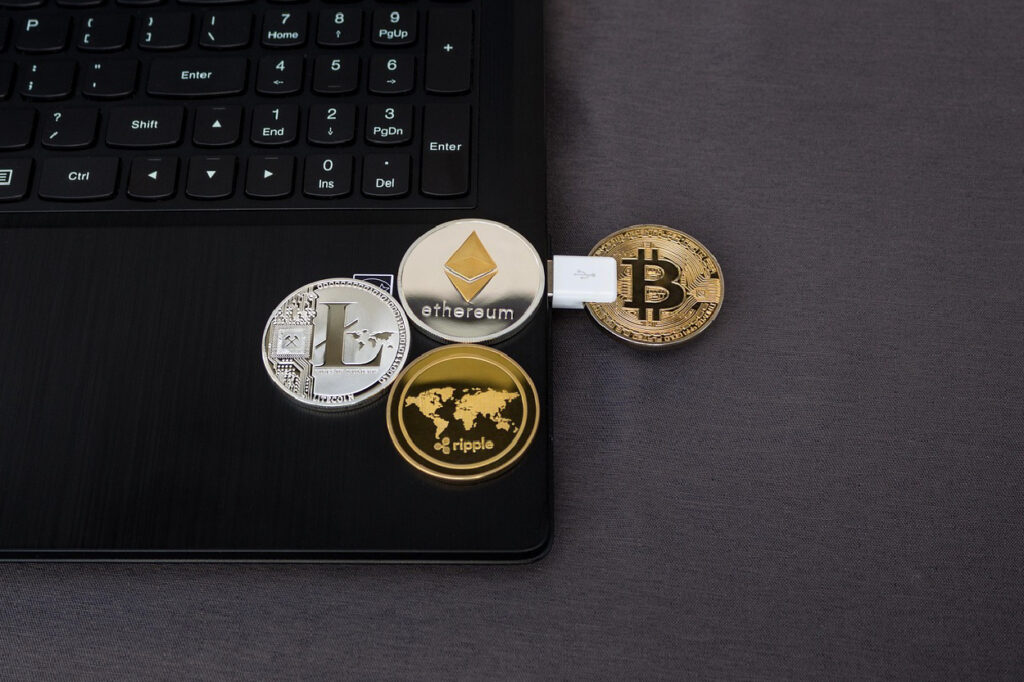
There are thousands of cryptocurrencies beyond DeFi, all serving different use cases and features. Bitcoin is the first and most recognized cryptocurrency, considered digital gold due to its limited supply and store of value characteristics. Ethereum introduced smart contracts, which allow for decentralized applications and have powered the rise of NFTs and various DeFi projects. Other popular altcoins, including Solana, Cardano, and Binance Coin, offer variations in speed, cost, and scalability that make each of these blockchains attractive options for developers and investors alike. Each of those blockchains has its advantages and trade-offs, and exploring them allows the investor to further diversify and understand the technology beneath every coin.
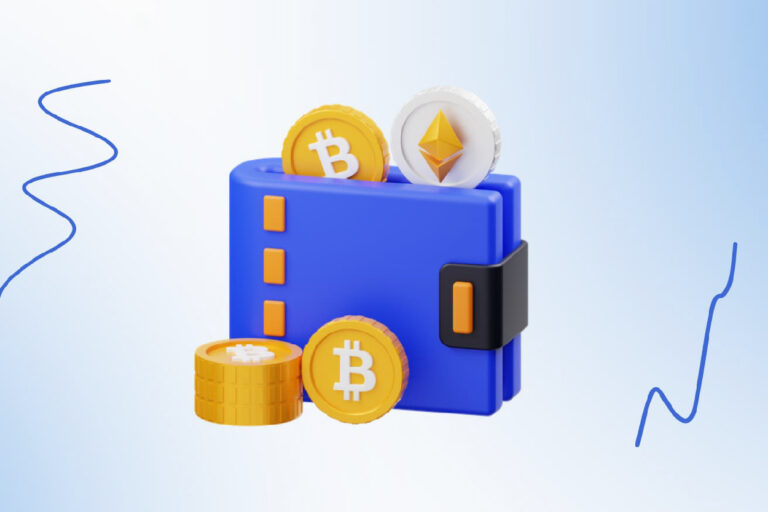
When investing in cryptocurrency, safety means everything. Wallets are digital tools for holding crypto, and they can be divided into two classes: hardware and software wallets. Hardware wallets, also known as cold storage, are physical devices that store your private keys offline, which makes them highly secure and safe from all kinds of online threats. Software wallets are applications or browser extensions that will give one fast access but are more vulnerable to hacks or malware. Each wallet uses private keys and seed phrases to grant access to funds. If lost, it means losing access to your crypto forever. This is why it is important to store your seed phrase in at least two secure locations, enable two-factor authentication, and never share your private keys with anyone.
Buying and selling cryptocurrency is easier than ever. First, one needs to choose a trusted exchange, such as Binance, Coinbase, or Kraken. After creating an account, most of them will ask to verify your identity via a process called KYC, or Know Your Customer. You can then fund your account with a bank transfer, debit card, or other payment methods. At this point, you could create a market order for buying at the current price or a limit order to set your own price. For long-term security, it’s a good idea to withdraw your crypto from the exchange to your personal wallet instead of leaving it online. Like any investment, crypto carries risks. The market is extremely volatile, and prices can change fast, even within hours. Scams, phishing, and fraudulent projects exist; hence, the use of reputable platforms and double-checking on URLs before connecting wallets is paramount. Of course, there are regulatory risks, with crypto legislation differing country to country and still in flux. There’s the possibility of having tax liabilities, so keeping oneself informed helps avoid shocks. Other technical risks entailed are, for example, losing access to a wallet or experiencing bugs in smart contracts. Hopefully, learning about these challenges early can get a beginner to take steps toward minimizing risks while venturing into crypto with confidence. Knowing your key crypto terms makes everything more understandable. Blockchain: The underlying technology that secures and records all transactions in a crypto network. DeFi: Short form for Decentralized Finance, or financial activities done without banks. Altcoin: Any coin that is not Bitcoin. Smart contract: A self-executing agreement written in code that runs automatically on the blockchain. Coin: The native currency of a blockchain. Token: A cryptocurrency that’s built on an already existing chain. New trends and innovations keep coming to the future of blockchain and cryptocurrency. NFTs and Web3 technologies are changing the notion of digital ownership, allowing users to own art, music, and in-game items. Layer-2 solutions are built on top of blockchains to speed up and cheapen transactions. Large institutions and firms are starting to bring blockchain into their use cases: from payments and supply chains to financial management. Decentralized identity projects improve users’ privacy and give them a better grasp over their data. In other words, learning about blockchain and cryptocurrency is not an option but a necessity for anyone who intends to stay ahead in this digital era. The technology is now changing how we think about the exchange of value, data storage, and the use of the internet to build trust. You can start now, move from zero to know-how, and take part in one of the most exciting revolutions in modern finance.