

Module 10: Crypto Safety & Security Protecting Your Digital Assets
financial freedom but freedom comes with responsibility
traditional banking, where institutions safeguard your funds, crypto puts you in control of your assets, keys, identity, and transactions. That also means you are the primary line of defense against hacks, scams, phishing, and mistakes
1. Why Crypto Security Matters
The crypto market has grown into a multi-trillion-dollar ecosystem. With that growth comes opportunity — and risk.
Unlike traditional finance:
Crypto transactions are irreversible.
There is no customer support hotline for blockchain mistakes.
Your private keys are your only access to your assets.
Hackers target users more than networks.
Most hacks happen not because blockchains fail, but because users fall for:
Phishing
Fake websites
Malware
Insecure wallets
Bad storage practices
Social engineering
In crypto, security is not optional — it’s your shield, your vault, and your insurance

2. Public Keys, Private Keys & Wallet Security
Understanding wallet structure is the foundation of crypto safety.
Public Key
Acts like your bank account number
Can be shared with anyone.
Used to receive funds.
Private Key
Acts like the PIN to your bank account but even more sensitive.
Anyone with your private key owns your funds.
Must never be shared or stored online.
The Seed Phrase
Also called a recovery phrase or mnemonic phrase — usually 12 or 24 words.
It can restore your entire wallet, including all funds.
Your seed phrase is:
Your backup
Your ultimate password
Your identity in Web3
If someone gains access to it, you lose everything.
3. Types of Crypto Wallets & Their Security Levels Different wallets offer different levels of safety and convenience.
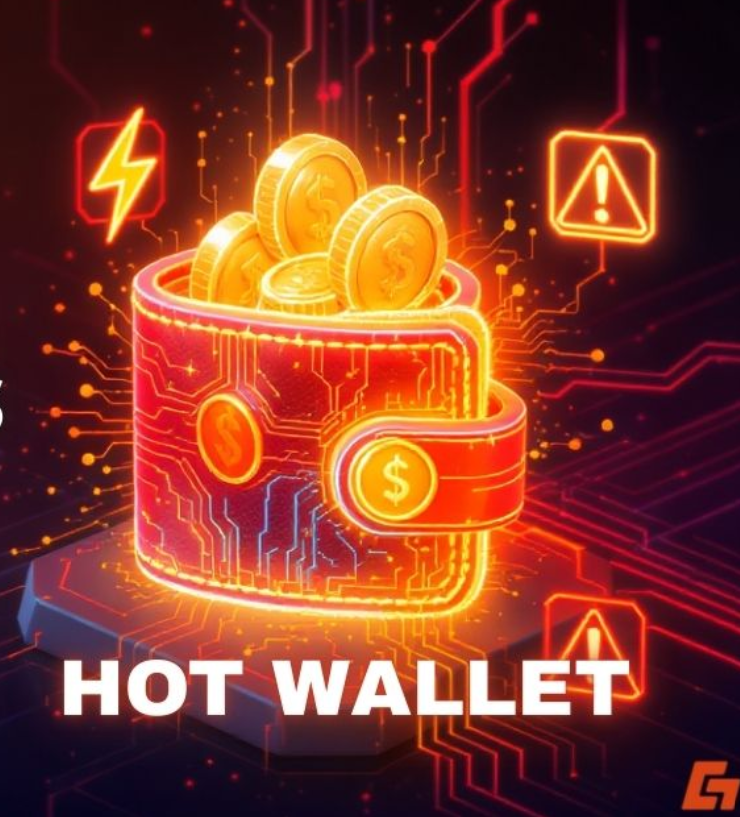
3.1 Hot Wallets (Online)
Examples: MetaMask, Trust Wallet, Coinbase Wallet
Pros:
Easy to use
Great for DApps and DeFi
Cons:
Vulnerable to online threats
Not ideal for large holdings
Use hot wallets for daily transactions, not long-term storage.
—
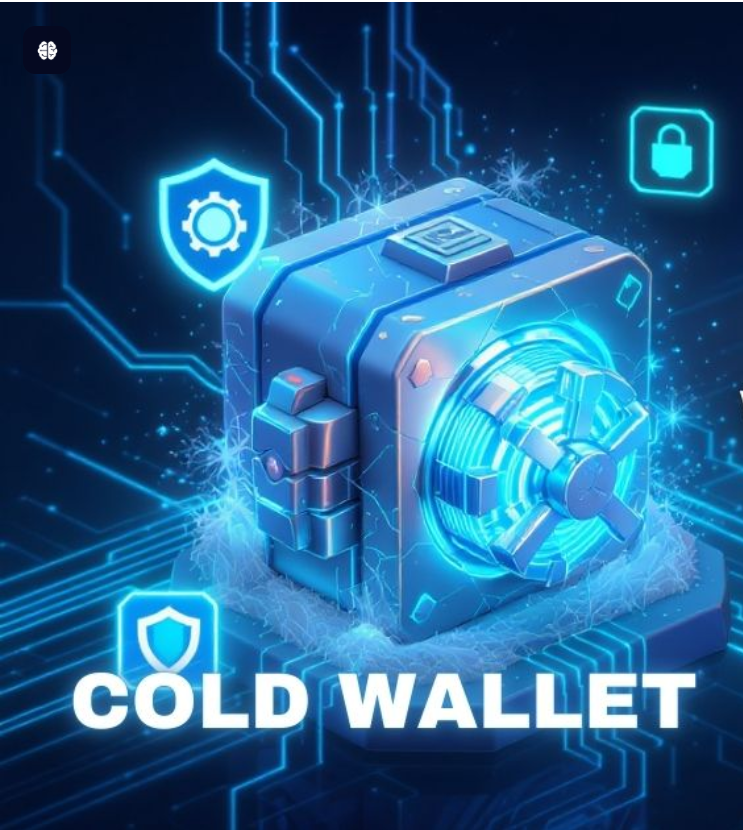
3.2 Cold Wallets (Offline)
Examples: Ledger Nano X, Trezor Model T
Pros:
Highest level of security
Private keys never touch the internet
Cons:
Requires physical device
Costs money
Cold wallets are the gold standard for storing large amounts of crypto.
—
3.3 Custodial Wallets
Your keys are held by a centralized exchange (CEX).
Examples: Binance, Coinbase, Kraken.
Pros:
Beginner-friendly
Password recovery possible
Cons:
You don’t own your private keys
Exchange hacks can impact funds
Not your keys, not your crypto.
—
3.4 Paper Wallets
Printed QR codes containing keys.
Pros:
Fully offline
Cons:
Easily damaged or lost
Not practical for daily use
Not recommended today except for archiving
Cold Wallets (Offline)
4. Common Crypto Scams & How to Avoid Them
Crypto’s openness attracts scammers. Awareness is your strongest defense.
4.1 Phishing Attacks
Hackers impersonate trusted platforms to steal wallet details.
Examples:
Fake MetaMask login page
Fake airdrop claiming you must “connect wallet”
Fake emails asking you to verify account security
How to avoid:
Bookmark official URLs
Never enter your seed phrase anywhere online
Enable browser security warnings
Verify links before connecting wallet
4.2 Fake Wallet Apps
Malicious apps that steal your seed phrase.
How to avoid:
Download only from official websites
Read reviews and verify developers
Cross-check links from verified sources
4.3 Rug Pulls & Fake Tokens
Developers hype a project, attract investors, then disappear.
Red flags:
No real team
No audit
“Guaranteed” high returns
Anonymous developers
Overly aggressive marketing
Avoid coins you don’t understand.
4.4 Ponzi Schemes
Promises of unrealistic profits from “guaranteed staking” or “automated trading bots.”
Signs of a Ponzi scheme include:
Fixed returns-in impossible in crypto
Referral-based payouts
Those for whom behavior was an issue did not tend to have any of the following:
No transparency
If it sounds too good to be true, it is.
4.5 Airdrop Scams
Scammers use phony rewards to con you into:
Connect your wallet
It is capable of: Performing malicious transactions
Never claim airdrops from unknown sources
5. Best Practices for Crypto Safety
Here are proven ways to safeguard your digital assets:
5.1 Secure Your Seed Phrase
DO:
Write it out on paper
Store it in two secure locations
Use fireproof/waterproof seed plates when possible
DON’T:
Store it online or in the cloud
Screenshot it
Inheritance allows
Share it with anyone
Enter it into a website or application
Your seed phrase is the line that shall not be crossed.
5.2 Use Hardware Wallets for Large Holdings
Ideal for long-term storage.
Combine it with a hot wallet for DeFi interaction.
5.3 Enable 2FA on Exchanges
Use:
Google Authenticator
Authy
Not SMS but SIM swaps are possible
2FA reduces unauthorized access greatly.
5.4 Check URLs Every Time
Especially for:
Exchanges
Wallets
DeFi platforms
Air drop claims
Hackers often create pixel-perfect clones of real websites.
5.5 Use a Separate Device for Crypto
If possible:
A Dedicated Phone
Or a laptop dedicated to
Or a secured browser profile
Reduces exposure to malware and keyloggers.
5.6 Beware of Signing Smart Contracts
Never sign transactions that you don’t fully understand.
Malicious contracts can:
Drain your wallet
Transfer NFTs
Permission is given to hackers
Tools like Etherscan, DappRadar, or Revoke.cash help manage approvals.
6. CEX Safety Using CEXs the Right Way
Centralized exchanges are convenient, yet include a lot of risk.
What to Do
Spend your long-term holdings into your own wallet
Use strong passwords
2FA enable
Avoid public Wi-Fi
Review account activities regularly
What not to do
Never store life savings on exchanges
Never click on email links claiming account issues
Never share credentials to log in.
The exchanges are tools, not vaults
7. Social Engineering — The Most Dangerous Threat
Most people feel that hackers rely on the codes only.
But the most successful ones rely on psychology rather than technology.
Social engineering involves:
Impersonated support personnel requesting your keys
Friends sending hacked messages
Assistance from various Telegram “admins”
Romantic scams
Fake giveaways
Golden rule:
No genuine project will ever ask for your seed phrase or private key.
If someone asks, it is a scam always
8. Tools & Techniques to Strengthen Your Security
Security doesn’t have to be complicated. The right tooling can help.
Password Managers
Stores complex passwords securely.
Examples:
LastPass
1Password
Bitwarden
Revoke Token Approvals
Revoke permissions to any DApp using Revoke.cash.
Firewalls & Antivirus
Keep your system malware-free.
VPN
Protect your IP from exposure.
Useful for privacy, but not a substitute for real crypto safety
9. Crypto Security Mistakes to Avoid
Most of the users lose their assets because of silly mistakes.
Avoid:
Saving the seed phrase in notes app
Public Wi-Fi use
Clicking on “free crypto drop” links
Using obsolete software
Leaving large funds in hot wallets
Sending crypto to the wrong network
Mix of work devices and crypto devices.
Security is a habit. Practice it consistently
10. How to Safely Participate in Web3, DeFi & NFTs
Crypto is changing – your security needs to too.
When using DeFi:
Research smart contract risks
Choose audited platforms
Begin with small quantities
Set spending limits
Revoke permissions regularly
When purchasing NFTs:
Verify marketplace links Avoid blind signatures .Authenticate the contract vetting Beware of fraudulent OpenSea listings When using DApps: Connect wallet only when it is necessary Experiment with a burner wallet Carefully review transaction details A cautious approach prevents losses
11. What to Do If You Get Hacked
If you ever suspect a breach: 1. Transfer the remaining funds to a safe wallet immediately. 2. Revoke all smart contract approvals 3. Isolate breached devices 4. Password reset 5. Ensuring a wallet software update 6. Malware check 7. Inform the relevant exchange or platform Speed is crucial – action in minutes will save the assets
12. The Future of Crypto Security And its protections will evolve along with the industry. Future trends include: Account abstraction wallets with recovery built-in Biometric Wallets Social recovery through trusted contacts AI-powered threat detection Better regulation and stronger consumer protections But no matter how sophisticated the solutions become, the principle is the same: Your keys, your crypto. ABC
Final Thoughts Crypto gives you unprecedented freedom — but freedom demands responsibility. By mastering security fundamentals, you ensure your assets, identity, and digital future remain protected. Key takeaways: Store your seed phrase offline Use hardware wallets to store major funds. Learn to recognize scams Protect your devices Verify every link, every transaction Stay informed and vigilant With the right habits, you can explore the crypto world confidently and safely.