

The Metaverse The Next Digital Frontier
Welcome to Module 9, where we explore one of the most exciting visions shaping the future of digital life — the Metaverse.
By now, we’ve covered crypto fundamentals, DeFi, NFTs, and Web3. All these technologies converge into a larger idea: a persistent, immersive digital world where ownership, identity, and experiences are powered by blockchain
The Metaverse
1. What is the metaverse?
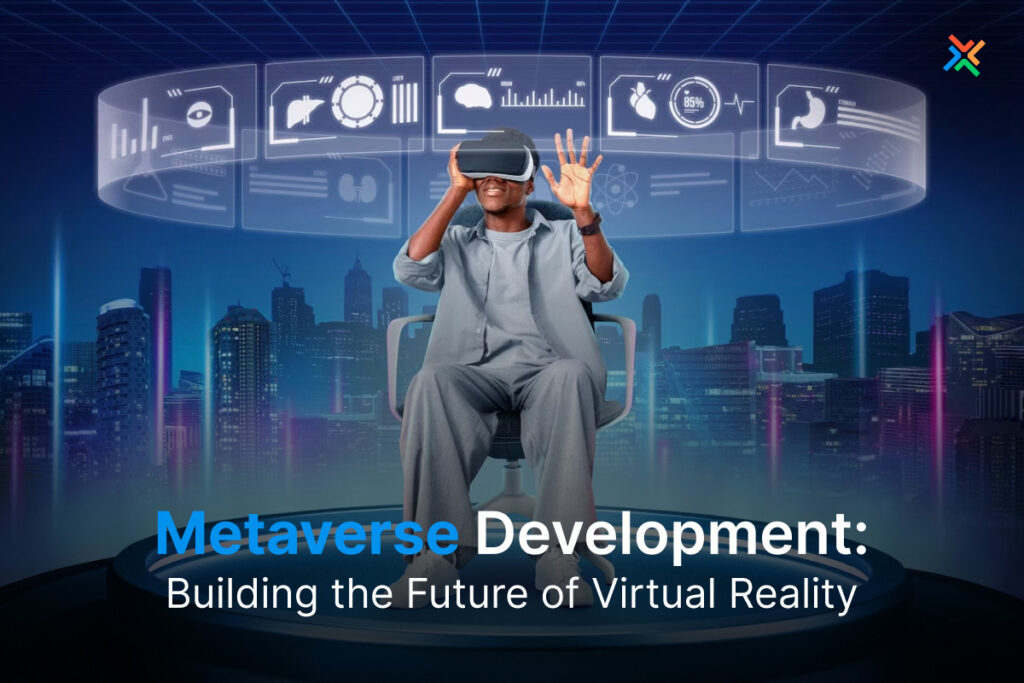
The Metaverse is a shared, continuous digital environment where users interact through avatars, have ownership of digital assets, engage in virtual economies, and exchange seamlessly between interlinked virtual worlds.
Think of it as:
The future of interaction online
A completely immersive Internet experience
A combination of virtual reality, augmented reality, Web3, and blockchain.
It’s not a single game, it’s not a singular website.
Instead, it is a network of digital spaces where users can:
Socialize
Work , Play , Trade , Create Build businesses
Own digital land and assets
The Metaverse is essentially the internet in 3D
Table of Contents
2. The Evolution Toward the Metaverse
The Metaverse did not appear overnight; rather, it evolved from earlier digital ecosystems:
Web1: Static Internet, 1990–2005
You read content on websites. No interaction, no immersive experiences.
Web2: Social & Mobile Internet (2005-2020)
You post, share, comment, connect; meanwhile, tech platforms own your data.
Web3 + XR: Immersive & Ownership-Based Internet (2020–present)
You participate in the internet using avatars.
You own digital assets and identity through blockchain.
Metaverse is going to be the ultimate integration of all these Web3 elements
3. What Powers the Metaverse?
The Metaverse is built on a stack of emerging technologies:
Technology: Role in the Metaverse
Blockchain: Ensures ownership of digital assets and identity
Cryptocurrencies: Power in-world payments and economies
NFTs – Represent digital items, land, avatars, and collectibles.
VR/AR: Creating immersive experiences
AI Drives realistic NPCs, Avatars, and Environments
Cloud Gaming: Allows large virtual worlds accessible to all
5G & Networks Enable real-time interaction
Together, they enable the creation of persistent, decentralised, interactive worlds
4. Core Elements of the Metaverse
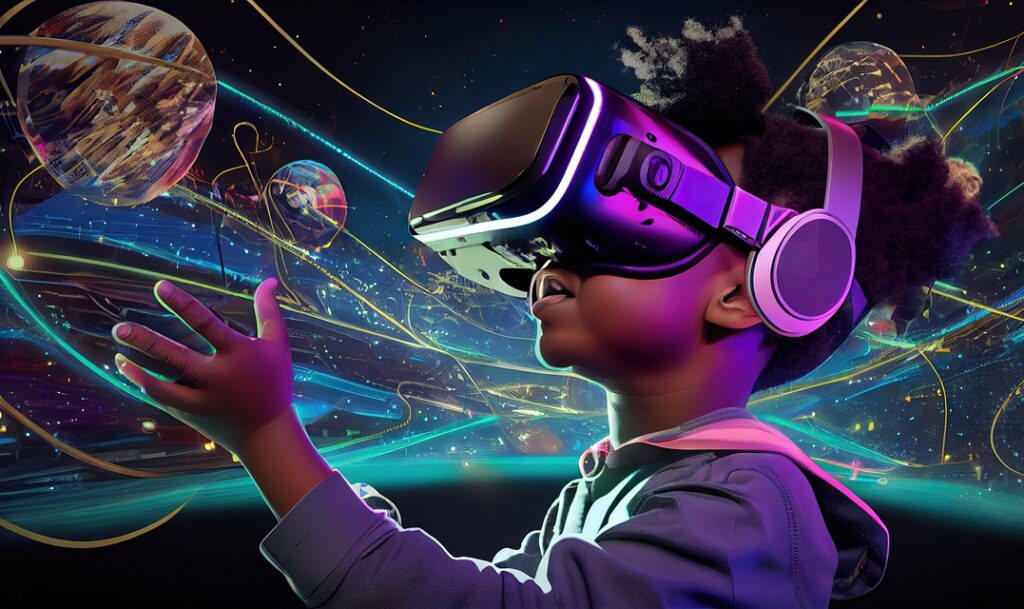
The Metaverse is more than “virtual reality.” Four key layers define it:
Identities 4.1
Users have an avatar-a digital persona-that is controlled from a Web3 wallet.
Your identity follows you across platforms, without having to create multiple accounts.
4.2 Digital Ownership
Everything in the Metaverse can be owned via NFTs:
Land
Skins
Wearables
Collectibles
Virtual homes
In-game tools
Art
Characters
Ownership is provable on the blockchain.
4.3 Social Interaction
The Metaverse is fundamentally social: people meet, work, play, and interact within shared environments.
4.4 Virtual Economy
Metaverses have complete economies, powered by crypto.
Users earn tokens for doing different activities on the platform.
Trade NFTs
Build businesses
Rent or sell digital land
This makes Metaverse economies real, rather than mere entertainment.
5. The Open Metaverse vs. The Closed Metaverse
There are two competing models:
Open Metaverse
Decentralized, interoperable, user-owned.
Built on Web3.
Examples:
Decentraland
The Sandbox
Otherside – Yuga Labs
Somnium Space
Closed Metaverse
Owned by corporations.
Assets do not transfer across platforms.
Examples:
Meta (Facebook) Horizon Worlds
Fortnite
Roblox
That’s where the future is likely to be, but blockchain makes this open model far more powerful for the user.
6. Major Metaverse Platforms Today
Decentraland
A fully functional virtual world, completely on Ethereum.
Users own land (NFTs), host events, run businesses.
The Sandbox
A world made of voxels where users create games, environments, and economies.
LAND and ASSETS are tradable NFTs.
Otherside
A premium metaverse from Yuga Labs, the creators of Bored Ape Yacht Club.
Focuses on interactive, story-driven virtual Worlds.
Roblox & Fortnite
Not Web3-native, but perhaps serve as early Metaverse-like environments providing social interaction with digital economies.
Meta Horizon Worlds
A VR-first experience, but still centralized.
These are the different visions competing for dominance
7. Digital Real Estate in the Metaverse
One of the most hyped areas is virtual land.
Why buy digital land?
Host virtual stores or events
Monetize through ads or rentals
Build games or experiences
Speculate on land value
Brand presence establishment
Major brands have already entered:
Adidas
Nike
Samsung
JP Morgan
Gucci
Digital real estate isn’t a guarantee of profit, but it reflects how real-world commerce is moving into virtual spaces
8. NFTs: The building blocks of the Metaverse
NFTs represent much more than art:
They represent everything you own in the Metaverse.
Examples:
Your avatar skin
Your wearable clothes
Tools or weapons
Digital pets
Virtual houses
VIP access
Membership passes
NFTs make digital worlds functional, tradable, and interoperable
9. How You Will Use the Metaverse in Your Everyday Life
In a few years, the Metaverse may become part of your normal routine:
Work & Business
Attend meetings in virtual offices
Collaborate on 3D models
- Run virtual businesses
- Socializing
- Meet friends at digital concerts
- Explore worlds together
- Attend virtual weddings or events
- Education
- Virtual classrooms
- Historical recreations – walking inside ancient Rome
- Interactive science simulations
- Trade
- Virtual storefronts
- Try-before-buy digital shopping
- Brand activations
- Amusement
- Gaming
- Concerts
- Sports events
- Virtual theme parks
The Metaverse fuses digital convenience with physical realism
10. Challenges Facing the Metaverse
Like all emerging technologies, Metaverse will come with some limitations:
Fragmentation
Different platforms don’t connect seamlessly yet.
Hardware Limitations
VR and AR adoption remains low.
-Missing Standards ➡️
Interoperability rules are not yet widely adopted.
Security & Scams
Other risks include fake land sales, phishing, and rug pulls.
Regulation
Governments are still working out rules on the following :
Virtual land
Metaverse taxation
Crypto payments
Identity verificationCost
High-quality virtual land and NFTs may be very costly.
Yet, constant improvements in hardware, networks, and Web3 protocols continue to accelerate adoption
11. The Future of the Metaverse
The Metaverse is early-to-date, comparable with the internet in 1997.
But the direction is unmistakable:
The digital and physical worlds are converging.
Through NFTs, ownership will be native to the internet. Digital economies will rival real-world economies. Work and social life will shift increasingly to virtual spaces. Web3 will anchor both identity and asset ownership. AI will fuel intelligent virtual assistants and environments. Eventually, the Metaverse will be much more than just VR headsets and games. It’s about building a permanent digital society powered by blockchain and directly controlled by its users. Conclusion The Metaverse is a radical change in the way human beings interact, work, play, and transact online; at its heart, blockchain and Web3 provide: True ownership Decentralized identity Immersive experiences Creator-driven economies Global accessibility